


How innovation is transforming guest experience and operational efficiency

Table of contents

In the dynamic world of hospitality, smart technologies are becoming a key element for enhancing guest comfort and optimizing operational efficiency. Discover which innovations are transforming modern hotels and why you shouldn’t be left behind.
In today’s world, where travel and accommodation are constantly evolving, guests expect more than just a roof over their heads. They seek experiences, comfort, and seamless services that match their digital lifestyle. This is where smart hotel technologies come into play, transforming how hotels operate and interact with their guests. From personalized rooms to efficient energy management – innovations in hospitality are the key to maintaining competitiveness and customer satisfaction. Let’s take a look at the latest trends and solutions that are reshaping modern hospitality establishments.
Smart rooms and personalization: Comfort tailored to guests
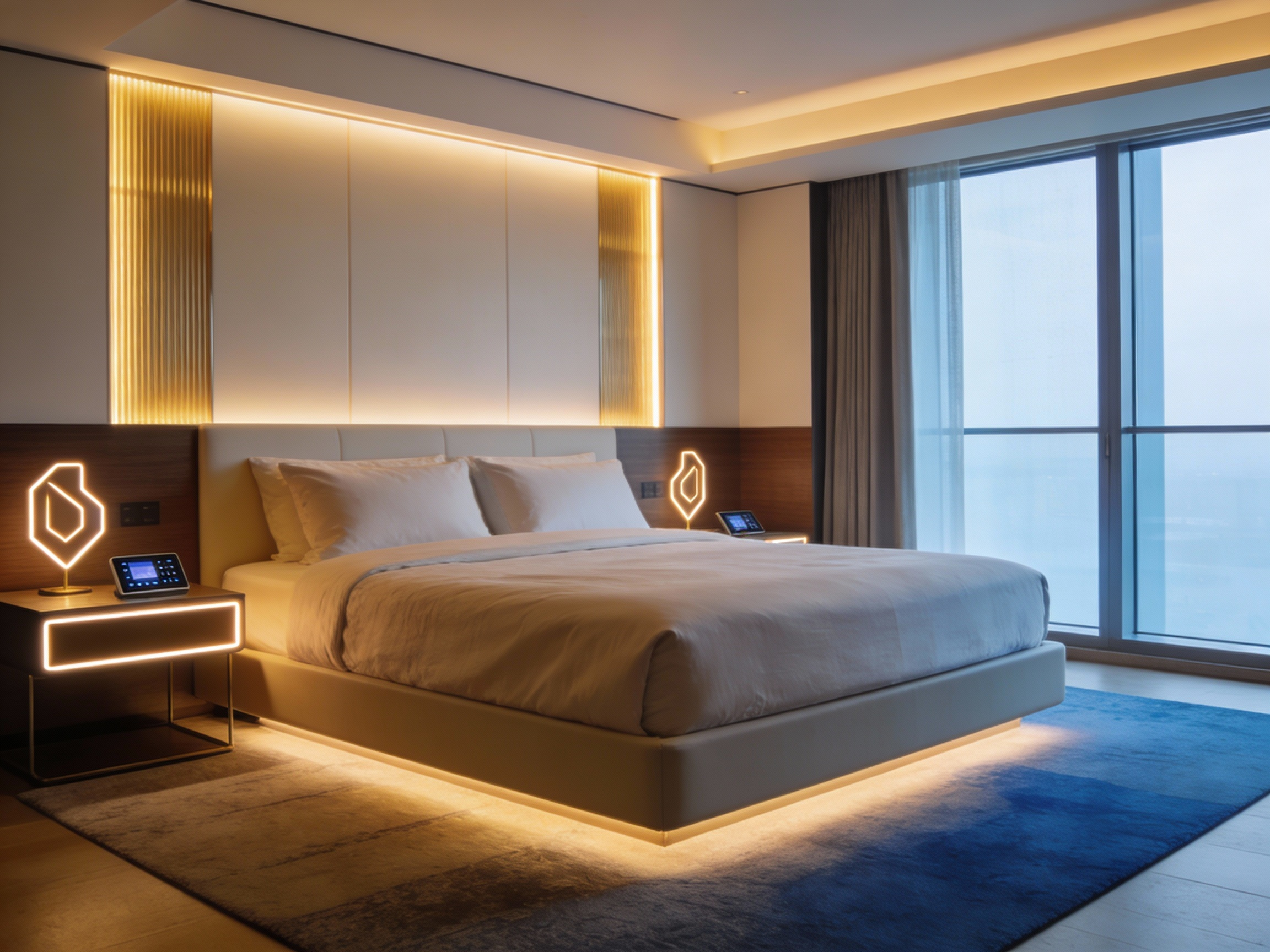
The concept of smart rooms is one of the most prominent trends in modern hospitality. Guests want to have control over their environment and expect the room to adapt to their individual preferences. Smart technologies make this possible with unprecedented ease.
Voice control: Voice-controlled systems allow guests to adjust lighting, temperature, play music, or turn on the TV using simple voice commands. This enhances comfort and eliminates the need to search for remote controls or switches.
Personalized settings: Smart systems can remember guest preferences, such as preferred room temperature, lighting intensity, or even favorite TV channels, and automatically set them during future stays.
Intelligent lighting and thermostats: Modern lighting adapts to the time of day and mood, while smart thermostats optimize energy consumption without compromising guest comfort. For example, they can automatically turn off when the guest leaves the room.
Security and access systems: A new level of protection
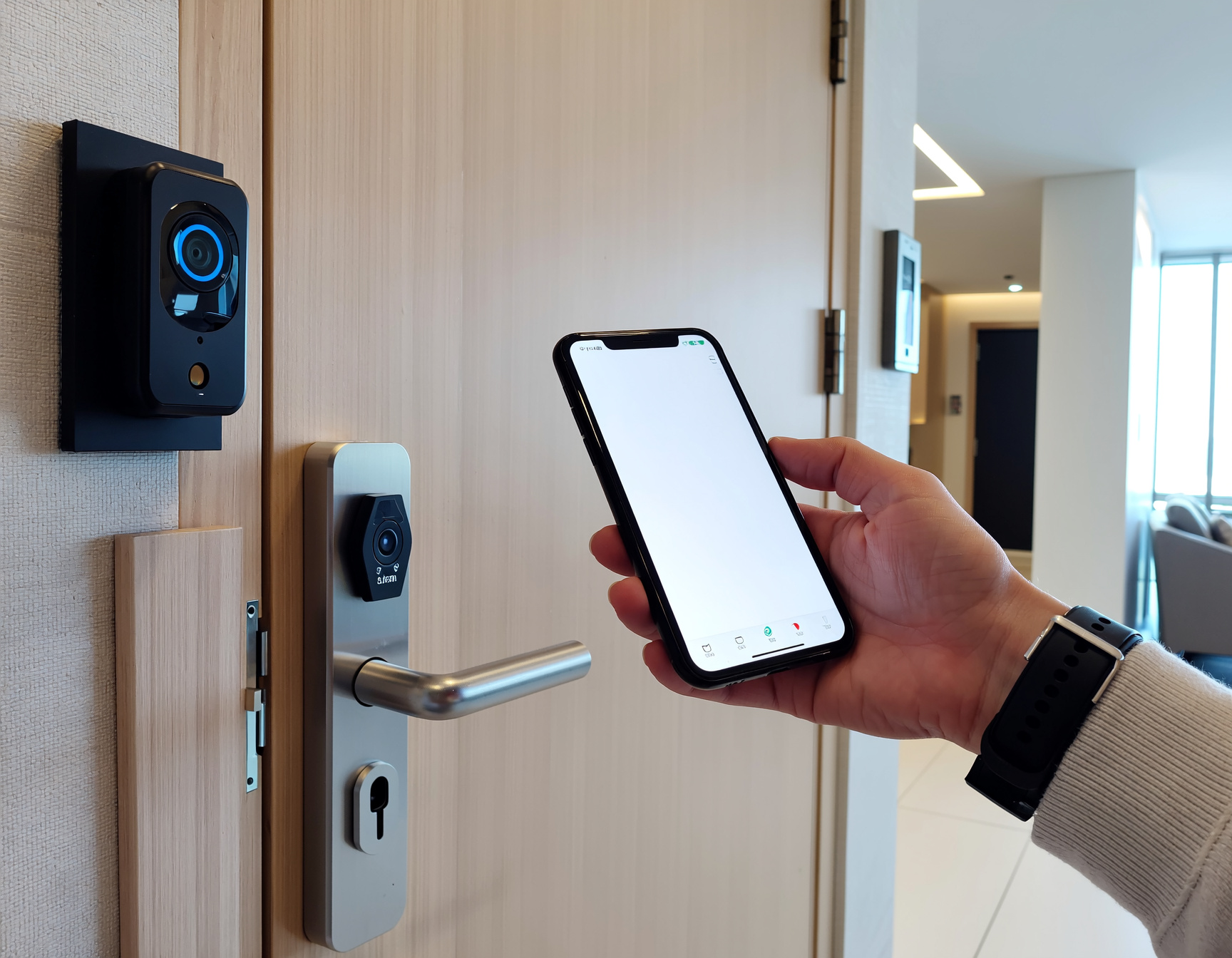
Security is a top priority for guests. Modern technologies offer advanced solutions that not only enhance protection but also simplify access and management.
Mobile keys and smart locks: Instead of traditional cards or keys, guests can use their smartphones as room keys. This speeds up check-in and eliminates the risk of losing a physical key. Smart locks also allow hotels to monitor access and increase overall security.
Video surveillance and sensors: Advanced video surveillance systems and motion sensors in common areas increase the safety of guests and property. Modern solutions are discreet and effective without compromising privacy.
Biometric authentication: In some luxury establishments, biometric authentication (such as fingerprint or facial recognition) is already being used to access restricted areas like wellness centers or VIP lounges.
Digital services and communication: Everything at your fingertips
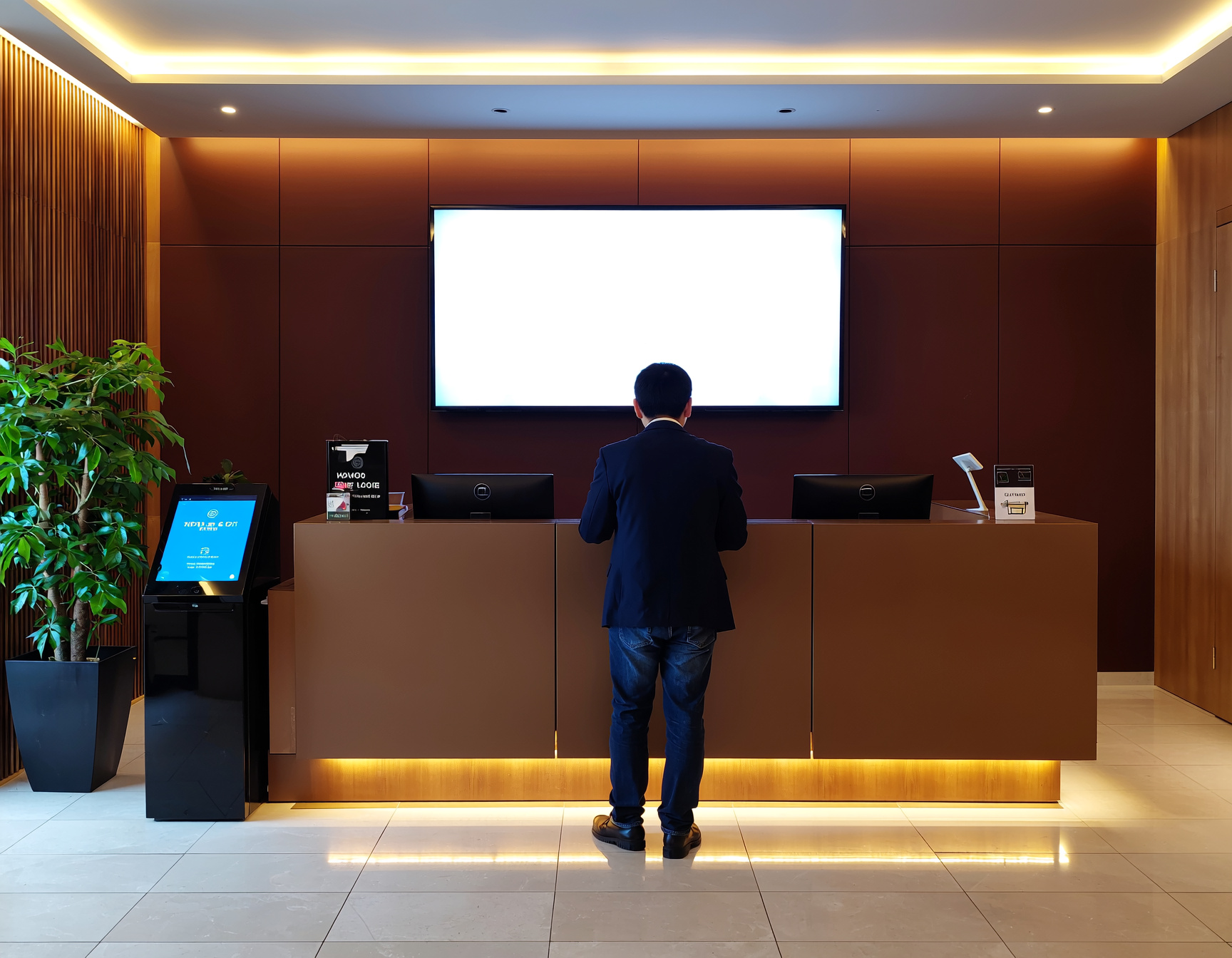
Digital tools simplify communication between guests and hotels and make services easily accessible, significantly enhancing the overall experience.
Mobile check-in/check-out: Guests can complete check-in and check-out via their mobile devices, avoiding queues at the reception. This is especially appreciated during peak times.
Hotel apps and digital concierge: Dedicated hotel apps allow guests to order room service, reserve restaurant tables, request housekeeping, or communicate with reception. A digital concierge can also provide information about local attractions, weather, or transportation.
Chatbots and AI assistants: Chatbots and AI assistants are increasingly used to provide quick answers to common guest inquiries, available 24/7 and easing the workload of hotel staff.
Sustainability and energy efficiency: Smart solutions for the planet and the budget
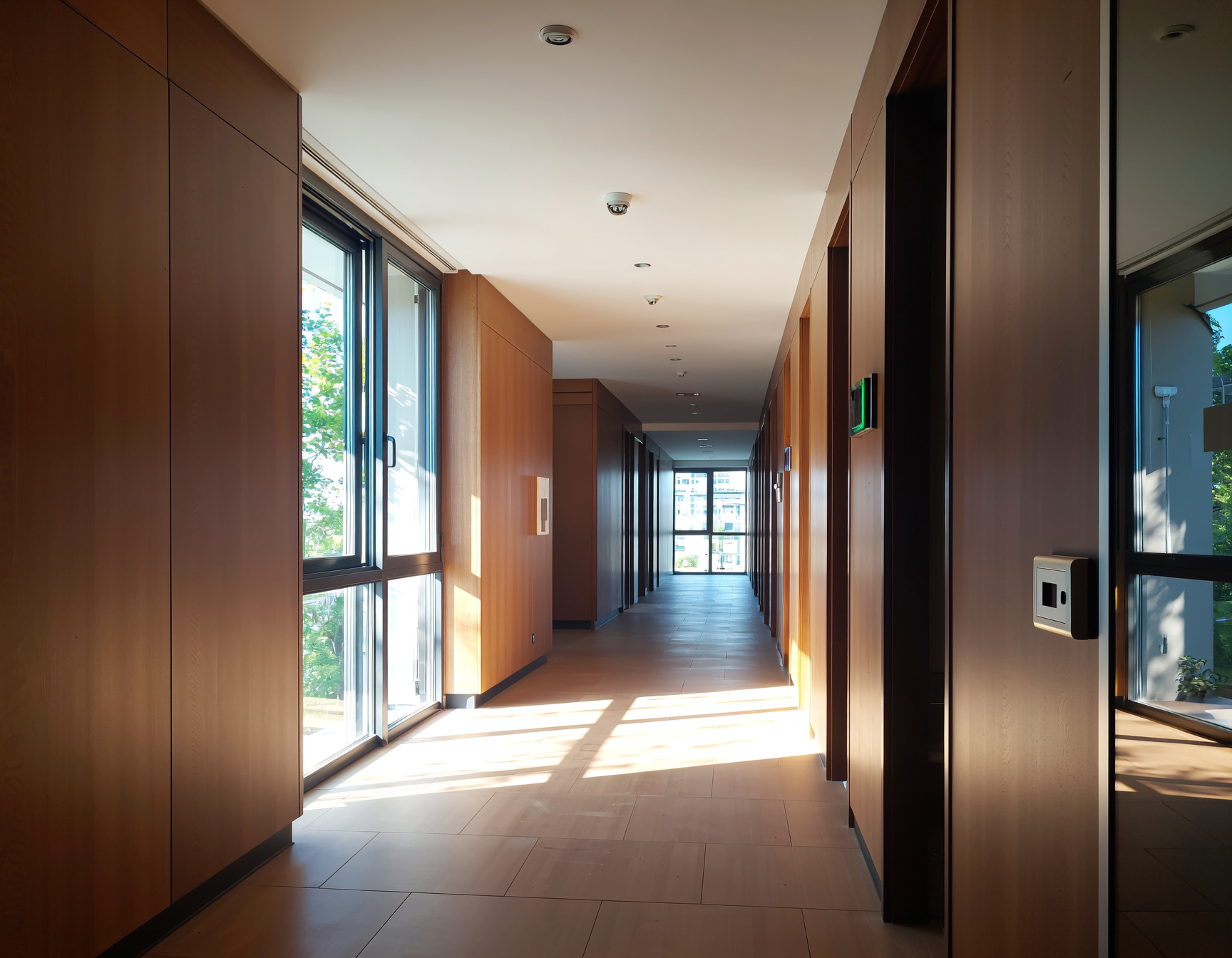
Smart technologies are not only about comfort but also about responsibility. They help hotels reduce their environmental footprint and optimize operating costs.
Intelligent energy management: Energy management systems monitor and regulate electricity, water, and heating consumption throughout the hotel. For example, they can automatically turn off air conditioning in unoccupied rooms or optimize lighting in common areas.
Occupancy sensors: Sensors in rooms and shared spaces detect occupancy and regulate lighting, heating, or air conditioning accordingly, minimizing energy waste.
Water and waste recycling systems: Technologies help manage water recycling more efficiently (e.g., for irrigation) and optimize waste sorting and processing.
Conclusion
Smart hotel technologies are no longer just a futuristic vision but are becoming a standard in modern hospitality. From personalized in-room comfort and enhanced security to efficient resource management – innovations deliver tangible benefits for both guests and hoteliers. Investing in these technologies means investing in the future, resulting in satisfied customers, optimized operations, and a stronger competitive position. Don’t let your hotel fall behind – discover the potential of digitalization.
Would you like to learn more about implementing smart technologies in your hotel? Browse our range of hotel room equipment or contact us for a tailored offer.