


Frequently Asked Questions: How to effectively equip a hotel bar and lounge area

Table of contents

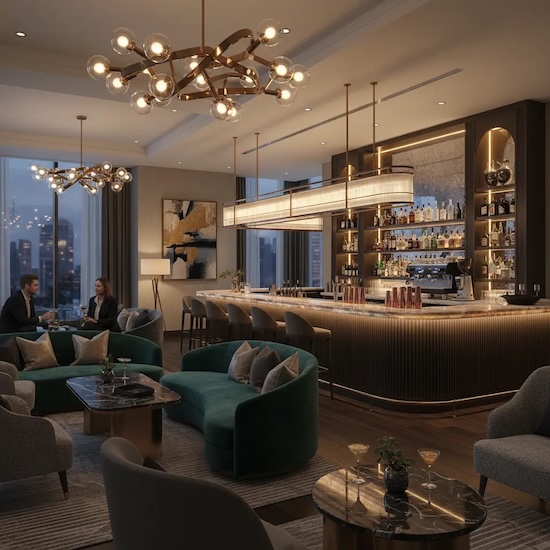
Introduction to the World of Hotel Bars and Lounge Areas
The hotel bar has long since ceased to be just a place where guests grab a quick drink before going to bed. In modern hospitality, the bar and the adjacent lounge area have become multifunctional spaces. They serve as informal business hubs, places to relax after a demanding day, or social centers that define the character of the entire hotel.
A properly designed and equipped bar can significantly increase not only guest satisfaction but also the average revenue per room.
Investing in high-quality bar equipment and well-thought-out lounge furniture is an investment in the guest experience. Whether you operate a boutique hotel or a large urban complex, the efficiency of the bartender’s work and the comfort of guest seating are key success factors.
In this article, we have prepared answers to the most frequently asked questions that concern owners and managers when furnishing these important spaces.
Frequently Asked Questions (FAQ)
1. What are the key factors when planning hotel bar equipment?
When planning a bar, it is essential to focus on three fundamental pillars: staff ergonomics, guest comfort, and brand aesthetics.
Staff ergonomics directly affect service speed. The bartender should have everything needed (ice, glassware, ingredients, draft system) within reach without unnecessary movement. Guest comfort depends on the height of the bar counter, lighting, and the availability of electrical outlets (especially in lounge areas). The aesthetics should align with the overall hotel design so the bar does not feel like a foreign element.
2. What bar equipment is essential for smooth operation?
The foundation of every professional bar is robust and reliable equipment that can handle high workloads.
Essential items include:
- Refrigeration systems: Undercounter refrigerators with glass doors for beverages and specialized wine cooling units.
- Ice makers: High-quality ice is the basis of every drink. Not only capacity but also ice shape (cubes vs. crushed ice) is important.
- Professional coffee machines: In hotel bars, coffee is a key product throughout the day, so it is necessary to choose a high-performance machine.
- Bar tools and glassware: From shakers and jiggers to specific types of glasses for each kind of drink. Quality glassware increases the perceived value of a drink.
3. How to choose lounge furniture that combines design and durability?
Lounge furniture in a hotel must meet strict durability criteria, as it is exposed to constant use.
When selecting, focus on:
- Materials: Choose fabrics with a high Martindale rating (abrasion resistance) and surface finishes that are easy to clean.
- Seating variability: Combine low armchairs for longer conversations with higher bar stools and communal tables for business travelers.
- Weight and mobility: Furniture should be stable enough, yet allow staff easy handling during cleaning or space reorganization for events.
4. What are the most common mistakes when designing back-of-bar areas?
The most common mistake is underestimating storage space. A bar needs room for empty crates, alcohol supplies, clean glassware, and waste management. Another mistake is inappropriate lighting – overly harsh light in the work area can disrupt the intimate atmosphere in guest areas. Insufficient ventilation is also often overlooked, leading to moisture and odor buildup.
5. How to optimize a lounge area for business travelers?
The modern business traveler looks for a so-called “third place” in the lounge area – a space between work and home.
For this group, the following are key:
- Connectivity availability: Integrated USB ports and power outlets directly in tables or seating are now standard.
- Stable Wi-Fi connection: Free and fast internet access is the number one priority for business guests.
- Acoustics: The use of acoustic panels or carpets helps reduce noise, enabling uninterrupted work or calls.
6. What role do bar accessories play in increasing revenue?
Accessories are often overlooked, yet they have a huge impact on so-called upselling. Elegant serving trays, designer menu stands, or stylish snack bowls create a sense of premium quality. If a guest receives a drink in a beautiful glass with a quality straw and on an elegant coaster, they are more likely to order another and share their experience on social media.
7. How to ensure high hygiene standards in the bar area?
Hygiene in a bar begins with the proper selection of surfaces. Stainless steel is ideal for worktops due to its non-porous nature and ease of disinfection.
It is also important to:
- Professional glass washers: They ensure not only cleanliness but also the correct temperature and shine of glassware without the need for manual polishing.
- Dosing systems: Automatic syrup or alcohol dispensers reduce the risk of contamination and also eliminate waste.
- Regular cleaning protocols: Clearly defined procedures for cleaning draft systems and coffee machines are essential for the quality of served beverages.
Conclusion: Investing in Quality Pays Off in Guest Loyalty
Equipping a hotel bar and lounge area is not just about purchasing furniture and appliances. It is about creating an environment where guests feel welcome and where staff can work with joy and efficiency. When choosing equipment, always look for partners who understand the specifics of the HoReCa segment and can advise you on solutions tailored to your needs.