


The Future of Hotel Management: How to Combine Technology and Efficiency for Maximum Guest Satisfaction

Table of contents


Introduction: A New Era of Hospitality in 2026
The hospitality industry has been undergoing a dynamic transformation in recent years. What was once considered a premium feature – such as contactless check-in or intelligent energy management – has today become a basic guest expectation.
For hotel managers and property owners, this means a constant need to find a balance between technological progress and preserving the invaluable human touch.
Efficiency is no longer just about cutting costs. In today’s competitive environment, it is about smart investment in solutions that free up staff so they can focus on guests, while ensuring flawless operation of the property.
We discussed how priorities in modern hotel management are changing and where there is room for improvement with a leading expert in hotel operations.
Digitalization as the Key to Efficiency
Editorial team: Martin, digitalization has been discussed a lot recently. Many hoteliers fear that technology will replace personal contact. How do you see it?
This is a common concern, but in practice we see the exact opposite. Digitalization should not be the goal, but a tool. If we automate routine processes such as filling out registration forms or processing payments, receptionists gain more time to truly engage with guests – advising them on activities, asking about their preferences, or handling individual requests. Technology removes administrative burden, not humanity.
According to Kováč, the key to success is system integration. When the reservation system, inventory management, and housekeeping system communicate with each other, management has a real-time overview of the hotel’s status. This makes it possible to prevent errors that would otherwise negatively affect the guest experience.
Optimizing Back-of-House Operations
Editorial team: We often focus on what the guest sees. Where do you see the biggest reserves in what the guest does not see – in back-of-house operations?
The biggest losses in efficiency arise from poor staff logistics and underestimating the quality of equipment. If a housekeeper has outdated carts or non-ergonomic cleaning tools, the work takes longer and is more physically demanding.
This leads to faster fatigue and employee turnover, which represent enormous hidden costs for a hotel.
The expert emphasizes that operational efficiency starts with choosing the right equipment. He always tells clients: don’t look only at the purchase price. Look at lifespan and serviceability. High-quality professional equipment that withstands intensive use for five or ten years is ultimately much cheaper than low-cost alternatives that need to be replaced every season.
Data as the Basis for Strategic Decision-Making
Editorial team: How can a modern manager use data to improve hotel performance?
Today it is no longer enough to know occupancy rates. We must understand guest behavior. When do they most often use the wellness area? Which minibar items are the most popular? Which rooms require repairs most frequently? If we have this data, we can target investments precisely. For example, instead of replacing equipment across the board, we can prioritize modernization in those parts of the operation that generate the highest profit or the most complaints.
According to Kováč, energy efficiency is also crucial. Smart sensors in rooms that adjust temperature or switch off lights after a guest leaves can reduce energy costs by 20 to 30%. In times of fluctuating energy prices, this is a crucial competitive advantage for hotels.
Sustainability as Part of Management
Editorial team: Is sustainability in 2026 still just a marketing trend, or a real operational necessity?
Today it is already a necessity. Guests, especially younger generations, actively choose hotels that behave responsibly. But what is even more important for managers – sustainability goes hand in hand with efficiency. Less waste means lower disposal costs. Cosmetic dispensers instead of small bottles mean less plastic and a simpler logistics process for housekeeping. It is a win-win situation.
Building Loyalty Through Details
Editorial team: What do you consider the key detail that distinguishes an average hotel from a top-tier one in terms of management?
It is the ability to anticipate guest needs. And again, this is related to efficiency. If staff are overloaded by operational chaos, they have no capacity to notice that a guest has a birthday or prefers a specific type of pillow.
Top-level management sets processes so smoothly that staff have room for these “wow” moments. These are exactly what create loyalty that cannot be bought with money.
Conclusion: Investing in Quality Always Pays Off
Managing a hotel in 2026 requires a modern approach that combines analytical thinking with empathy. As emerged from the interview with Martin Kováč, the path to success leads through bold digitalization, uncompromising emphasis on equipment quality, and continuous optimization of background processes.
Hospitality remains a people-oriented business, but technology and well-designed operations are the pillars that allow people in this industry to shine.
Whether you manage a small family guesthouse or a large city hotel, the principles of efficiency remain the same: eliminate unnecessary work, invest in durability, and always listen to what data and your guests are telling you.
Related Posts
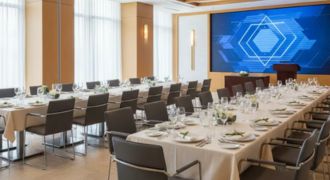
The MICE segment (Meetings, Incentives, Conferences, Exhibitions) represents one of the most stable sources of revenue for hotels and accommodation facilities, especially outside the main tourist season.
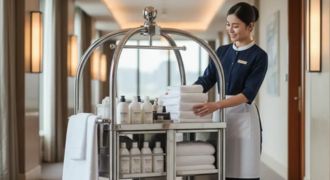
In hospitality, there is no second chance to make a first impression. As soon as a guest enters the room, their senses immediately scan the environment.
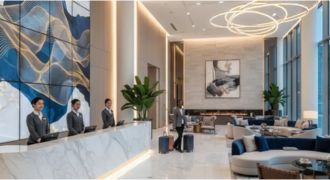
In the dynamic world of hospitality, there is a concept known as the “moment of truth”.
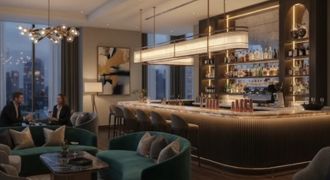
The hotel bar has long since ceased to be just a place where guests grab a quick drink before going to bed.
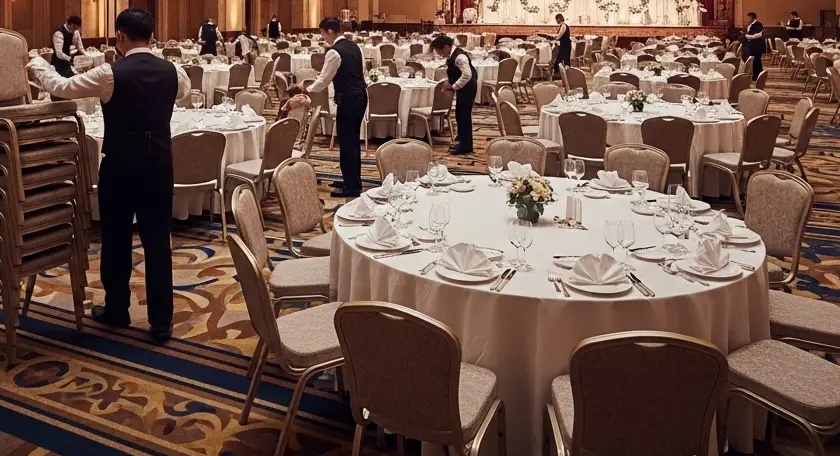
Wedding receptions, corporate conferences, gala dinners — these are the events that define the prestige and capabilities of every hotel or event center.
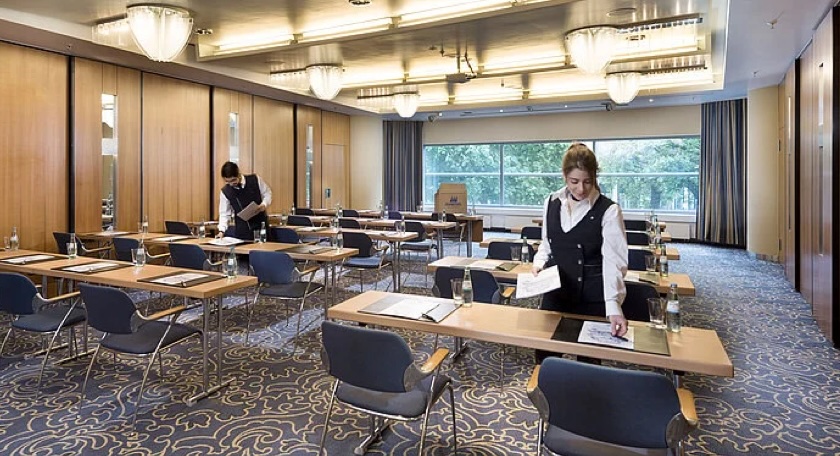
When investing in quality becomes the best saving – discover how the right equipment can reduce operating costs in the long term and increase efficiency in your HoReCa business.
In the dynamic world of hospitality, smart technologies are becoming a key element for enhancing guest comfort and optimizing operational efficiency.
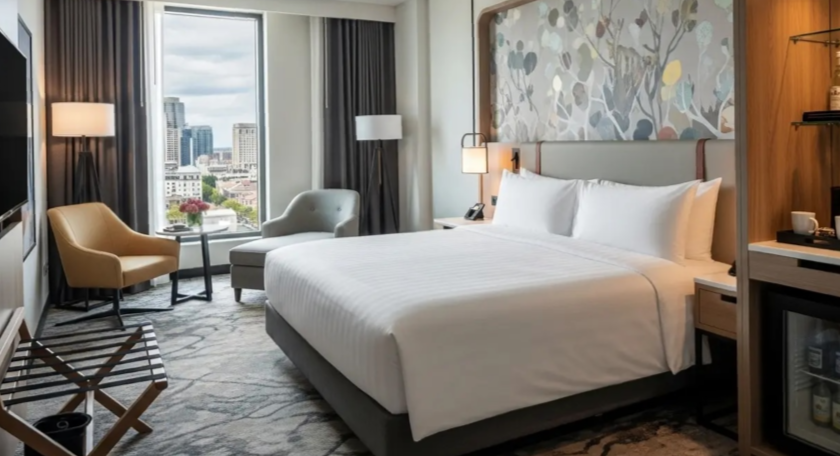
The hotel room is the heart of every accommodation facility. It is the guest’s personal sanctuary, a place to rest after a long day, and a showcase of your attention to detail.