


How to Effectively Set Up a Cleaning and Room Organization System: Step by Step to Perfect Cleanliness

Table of contents

In hospitality, there is no second chance to make a first impression. The moment a guest enters the room, their senses immediately scan the environment. The scent, the tension of the bed sheet, the absence of dust on the remote control – all of this determines whether the guest will return or write a negative review. However, effective housekeeping is not just about cleaning itself, but about a precisely set system that saves staff time and reduces operating costs.
In this guide, we will walk you through the process of optimizing hotel cleaning, from trolley logistics to final quality control.
Why is a system in housekeeping crucial?
Without clearly defined standards (SOP – Standard Operating Procedures), chaos arises. Staff forget details, the consumption of cleaning agents grows uncontrollably, and employee fatigue increases due to inefficient movement. The goal is to create a routine that ensures a consistent result regardless of which housekeeper is on duty.
Step 1: Preparation and logistics (The foundation of success)
Cleaning does not start in the room, but in the back office area. Before staff head out into the corridor, they must have everything they need at hand. Time lost by constantly returning to the storage room for forgotten soap or clean towels is one of the biggest “profit eaters.”
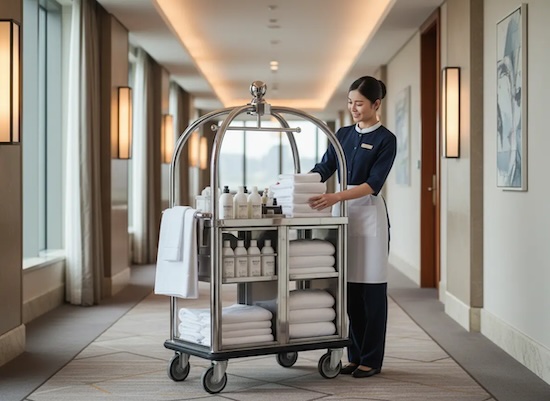
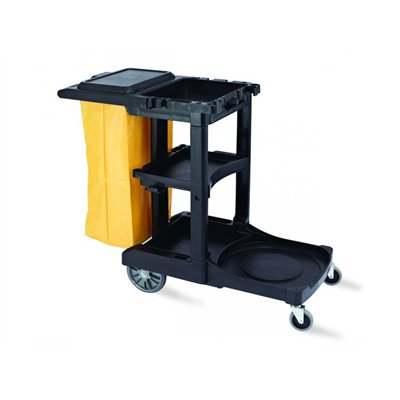
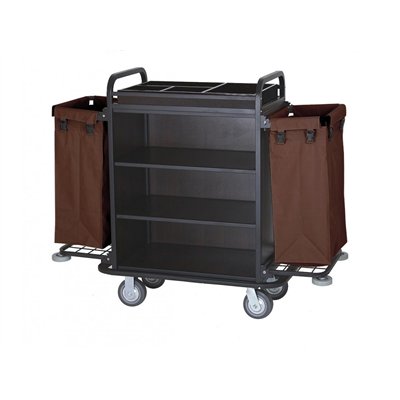
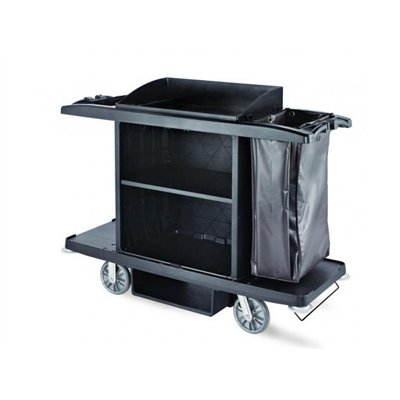
- Housekeeping trolley equipment: The trolley should be organized so that the heaviest items (linen) are at the bottom and the most frequently used items (cosmetics, amenities) are at the top.
- Checklist: Each trolley must be checked before the shift according to a list. It contains sufficient hotel cosmetics, amenities, clean linen, and chemicals.
Step 2: Entering the room and the first cleaning phase
The correct procedure saves steps. It is recommended to proceed “clockwise” from the entrance to the room to ensure nothing is forgotten.
- Ventilation: The first step is opening the windows. Fresh air is the foundation of a feeling of cleanliness.
- Waste and linen collection: Remove all waste and used linen. Note: never place used towels on clean surfaces.
- Applying chemicals in the bathroom: Apply cleaning agents to sanitary fixtures and let them work while you focus on the bedroom. This uses the time delay for maximum effect.
Step 3: Making the bed – the room’s calling card
The bed is the dominant feature of the room. Guests subconsciously associate the quality of bed making with the hygiene quality of the entire hotel.
- Mattress inspection: Always check the integrity of the mattress protector.
- “Envelope” technique: Professional folding of the sheet corners gives the bed firmness and an aesthetic appearance.
- Details: Pillows should be fluffed and oriented with the open side of the pillowcase facing away from the entrance or toward the center of the bed.
Step 4: Surface cleaning and dust
Dust is the greatest enemy. In hotel operations, the “top to bottom” method is recommended. Start with curtain rods and light fixtures and finish with baseboards.
- Disinfection of critical points: Focus on remote controls, handles, switches, and telephones. These items are the biggest carriers of bacteria.
- Polishing: Glass surfaces and mirrors must be streak-free. Use microfiber cloths color-coded by zones (e.g., red for the toilet, blue for dust in the room).
Step 5: Finishing the bathroom and replenishing supplies
Now return to the bathroom, where the chemicals have done their job. Rinse surfaces, polish faucets, and replenish hotel cosmetics.
- Presentation: Fold towels uniformly. Toilet paper should have a folded corner (the so-called “swallow”), signaling to the guest that no one has entered the room since cleaning.
- Scent check: If you use interior fragrances, apply them sparingly at this stage.
Step 6: Floors and final inspection
Vacuuming and mopping are always the final step so staff do not walk on a clean floor during other tasks. Proceed from the farthest corner toward the door.
How to increase efficiency with the right equipment?
Investing in quality equipment pays off in lower employee turnover and higher cleaning speed. Ergonomic trolleys reduce back strain, while professional cleaning concentrate systems with dosing systems eliminate waste.
Checklist for managers (Supervision)
Even the best system does not work without control. The housekeeping manager should conduct random inspections (the so-called “white glove test”) focusing on:
- Room scent: Is the air fresh, or does it smell musty or of overly strong chemicals?
- Under the bed: A frequently overlooked place where dust accumulates.
- Inside drawers: Guests often forget items here, and dust in a drawer appears very unprofessional.
- Functionality of equipment: Are all light bulbs working? Is the minibar quiet and properly cooled?
Conclusion
Housekeeping is the heart of hotel operations. By setting up a clear, step-by-step defined process, you not only increase guest satisfaction but also create a professional environment for your employees. Remember that cleanliness is not a coincidence, but the result of discipline and properly chosen equipment. If you are looking for ways to further streamline your cleaning process, do not hesitate to focus on modern cleaning technologies and ergonomic tools designed specifically for the demanding conditions of the HoReCa sector.
Related Products
Related Posts
The MICE segment (Meetings, Incentives, Conferences, Exhibitions) represents one of the most stable sources of revenue for hotels and accommodation facilities, especially outside the main tourist season.
In the dynamic world of hospitality, there is a concept known as the “moment of truth”.

The hotel bar has long since ceased to be just a place where guests grab a quick drink before going to bed.

The hospitality industry has been undergoing a dynamic transformation in recent years.
Wedding receptions, corporate conferences, gala dinners — these are the events that define the prestige and capabilities of every hotel or event center.
When investing in quality becomes the best saving – discover how the right equipment can reduce operating costs in the long term and increase efficiency in your HoReCa business.
In the dynamic world of hospitality, smart technologies are becoming a key element for enhancing guest comfort and optimizing operational efficiency.
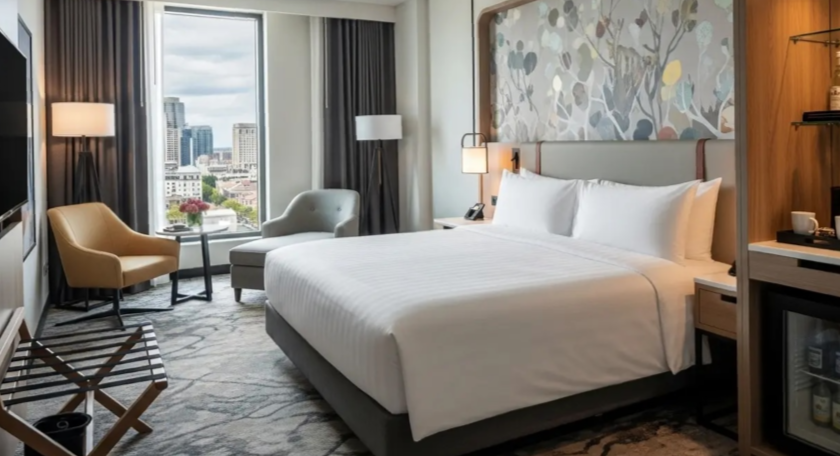
The hotel room is the heart of every accommodation facility. It is the guest’s personal sanctuary, a place to rest after a long day, and a showcase of your attention to detail.