


How to choose banquet chairs for your hotel or conference center

Table of contents

Wedding receptions, corporate conferences, gala dinners — these are the events that define the prestige and capabilities of every hotel or event center. While attention often focuses on catering and technical facilities, one element is frequently unjustly overlooked, even though it has a crucial impact on guest comfort and operational efficiency: banquet chairs. It is not just an ordinary piece of furniture. It is an investment in satisfaction, safety, and logistical smoothness. In this objective review, we will take a detailed look at what makes a banquet chair truly professional, the types that exist, and what to watch out for when choosing.
Frame construction and material
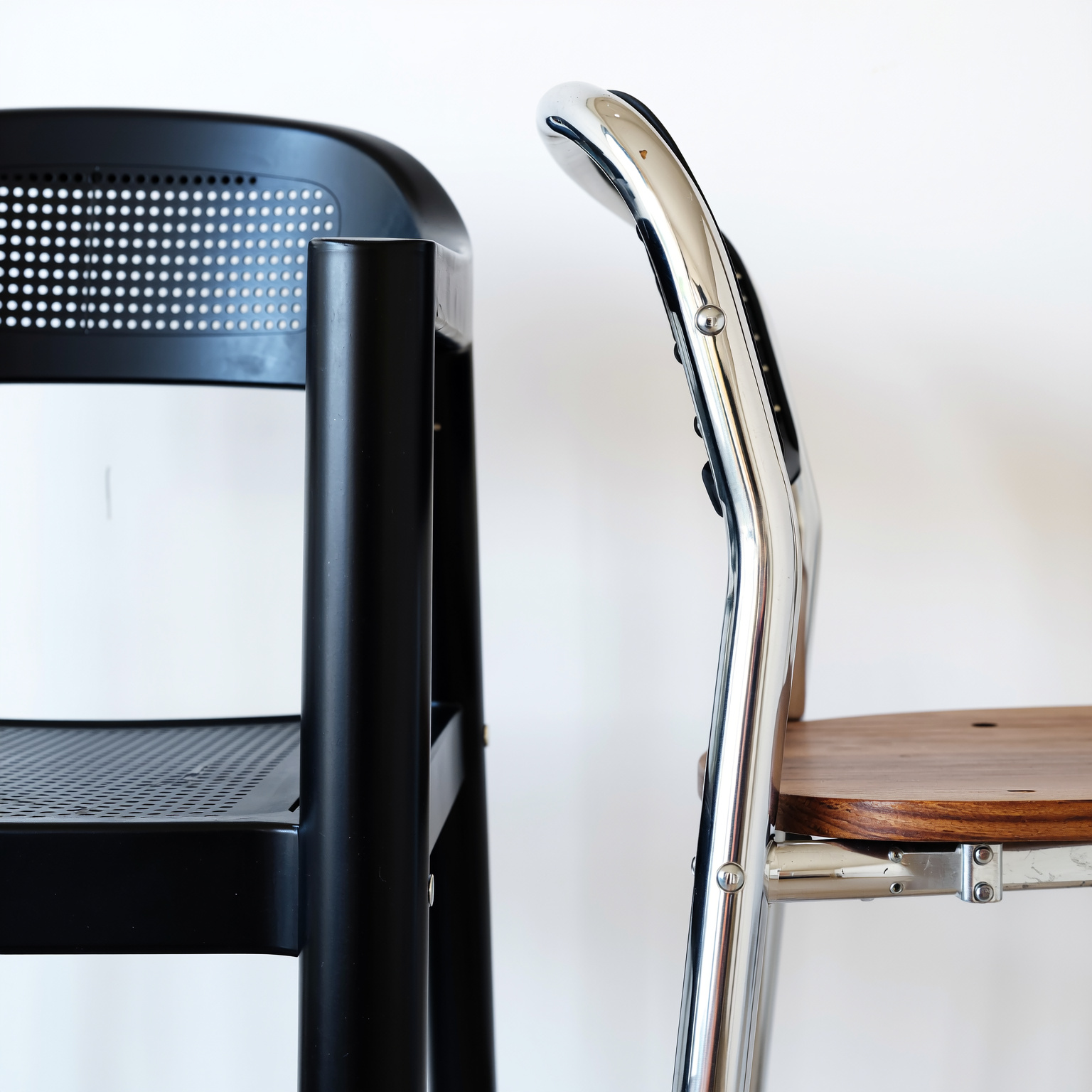
The foundation of every quality chair is its frame. This determines its strength, weight, and overall lifespan. In the professional segment, we mainly encounter two materials:
Steel: Steel frames are synonymous with maximum durability of the furniture. They are robust, can withstand very rough handling, and offer excellent load capacity. Their surface is usually protected by powder coating (comaxite), which prevents scratching and corrosion. The downside is higher weight.
Aluminum: Aluminum frames are significantly lighter, which staff will appreciate when setting up halls every day. They are naturally corrosion-resistant and often give a more modern impression. Although very strong, under extreme loads they may be more prone to deformation than steel. They are an ideal choice for venues where quick and frequent rearrangements are key.
Practical tip: Always inquire about the thickness of the frame profile and the quality of the welds. These details distinguish a professional product from cheaper alternatives.
Seat comfort and ergonomics
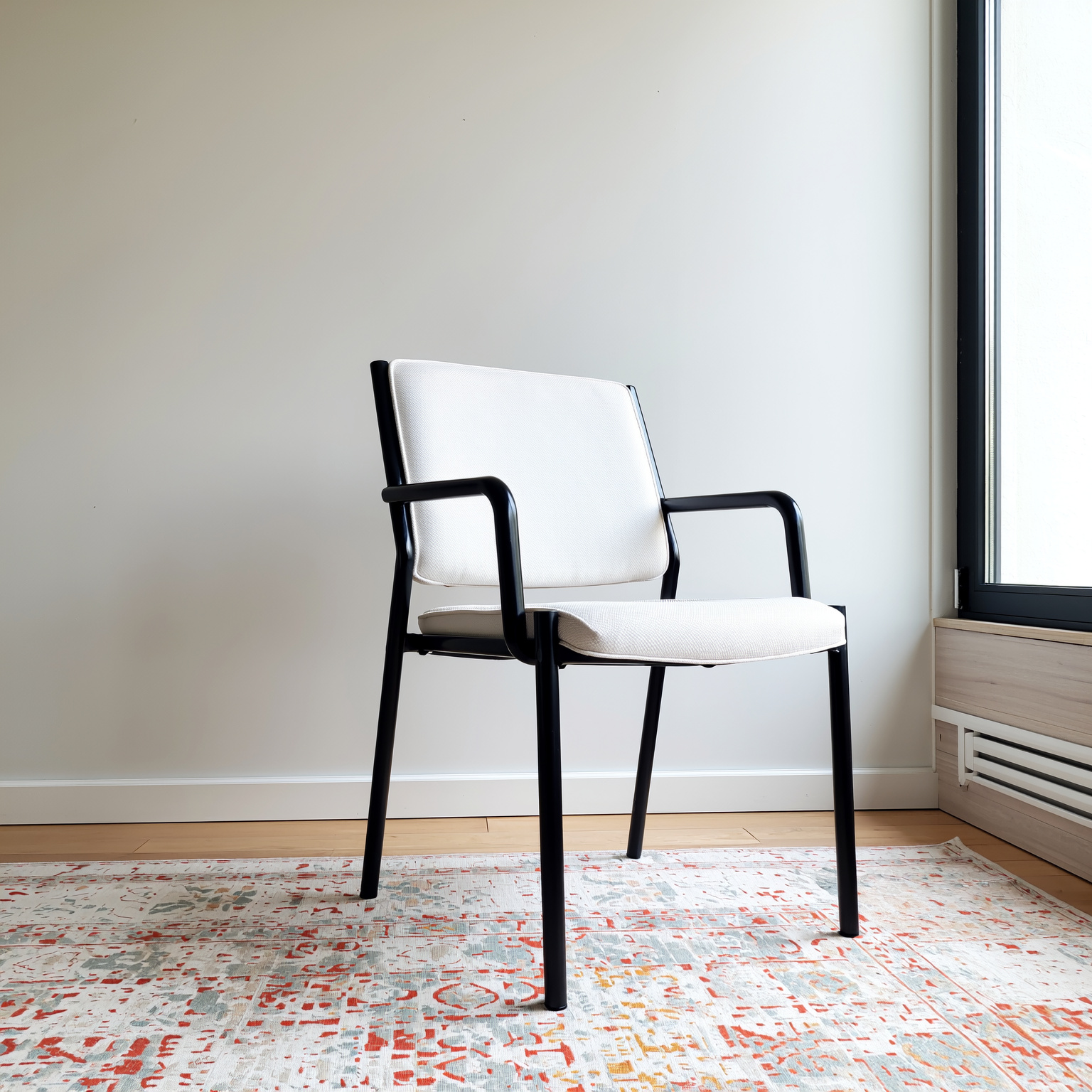
A guest at a conference or wedding will spend several hours on a chair. Comfort is therefore absolutely essential. The padding of the seat plays a key role.
Foam density: Cheap chairs use loose foam that quickly compresses and loses shape. Professional models use high-density polyurethane foam (ideally 45–55 kg/m³), which provides comfortable yet firm support and retains its properties even after years of intense use.
Seat thickness: The optimal seat thickness should be around 5–6 cm to ensure sufficient comfort without the feeling of “sitting on a plank.”
Upholstery quality and durability
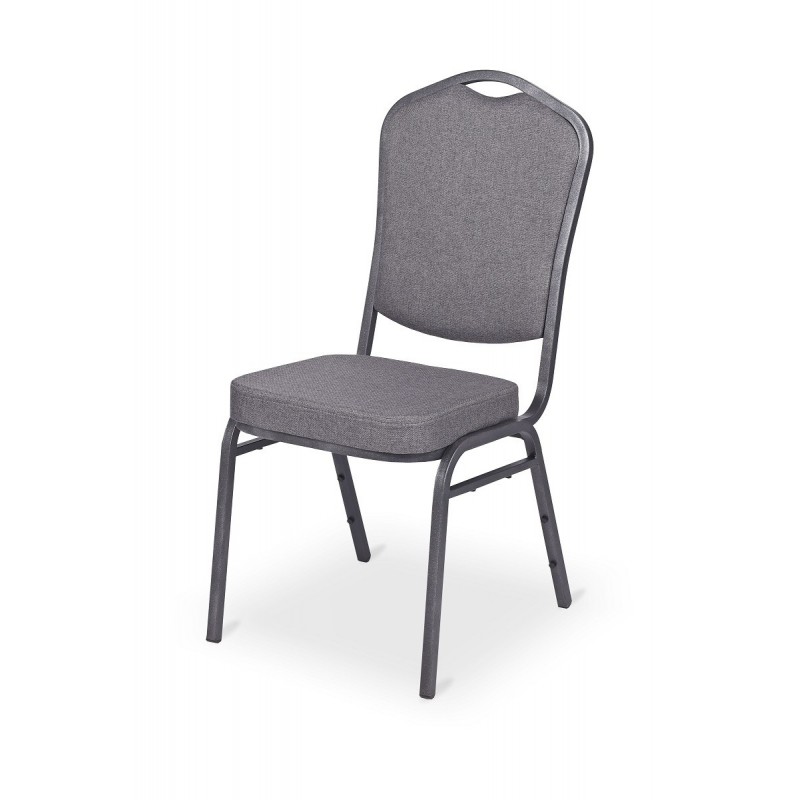
The covering fabric is the most stressed part of the chair. It must withstand abrasion, soiling, and at the same time meet strict safety standards.
Abrasion resistance: Look for fabrics with a high rating in the Martindale test (ideally 30,000 cycles and more).
Easy maintenance: Materials should be easy to clean. Some fabrics have special stain-resistant treatments.
Flame resistance: For commercial spaces, flame resistance certification (e.g., EN 1021-1 and 2) is crucial. This is not only a matter of safety but also insurance requirements.
Stackability and handling
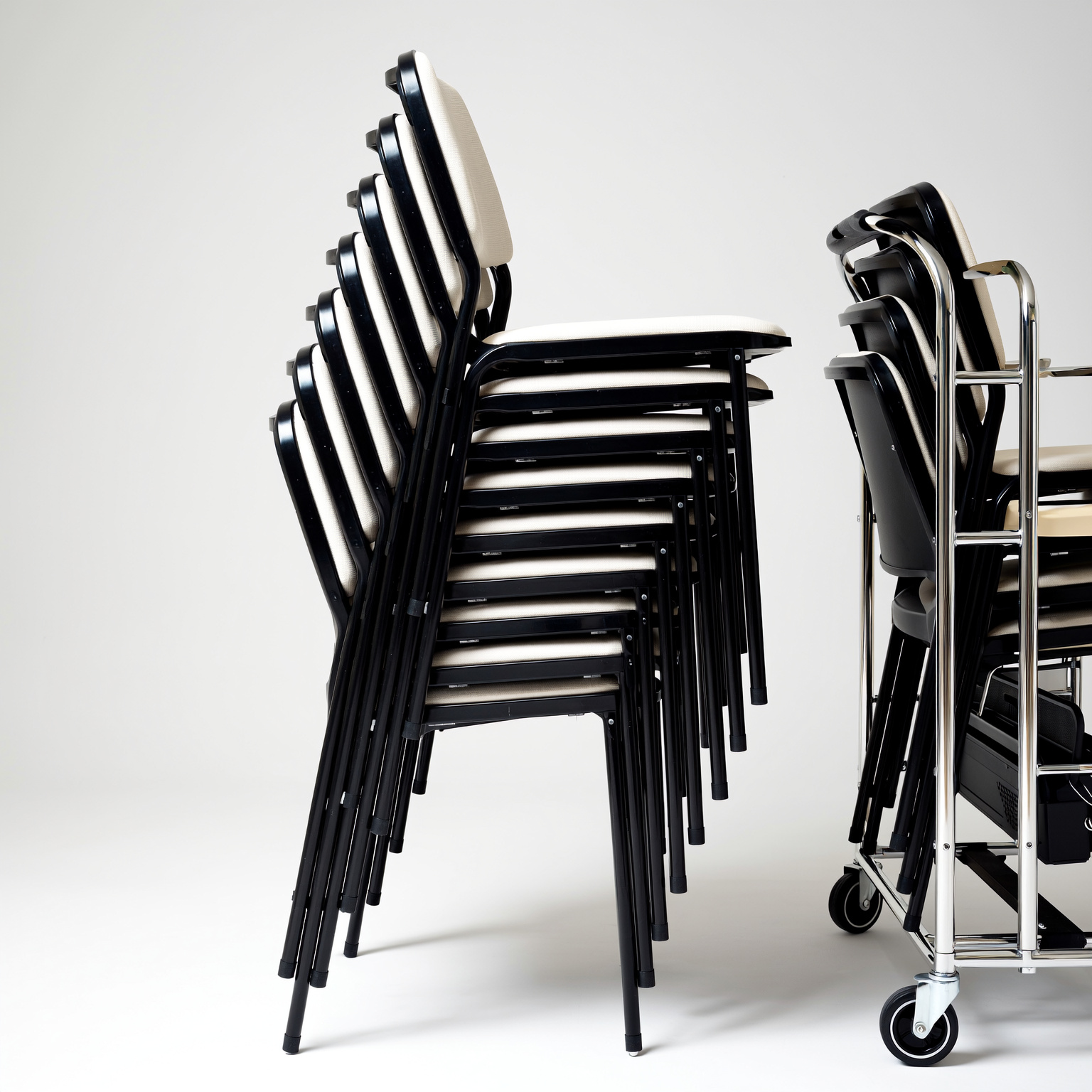
Storage efficiency and speed of hall setup are key for every operation. Stackable chairs are therefore an absolute necessity.
Number of pieces per stack: The standard is the ability to stack 10–18 units on top of each other.
Protective features: Chairs should have plastic or rubber protectors on the legs to prevent scratching the frames during stacking.
Transport trolleys: They allow easy handling of chair stacks and save time and physical effort of the staff.
Analysis and comparison of main types
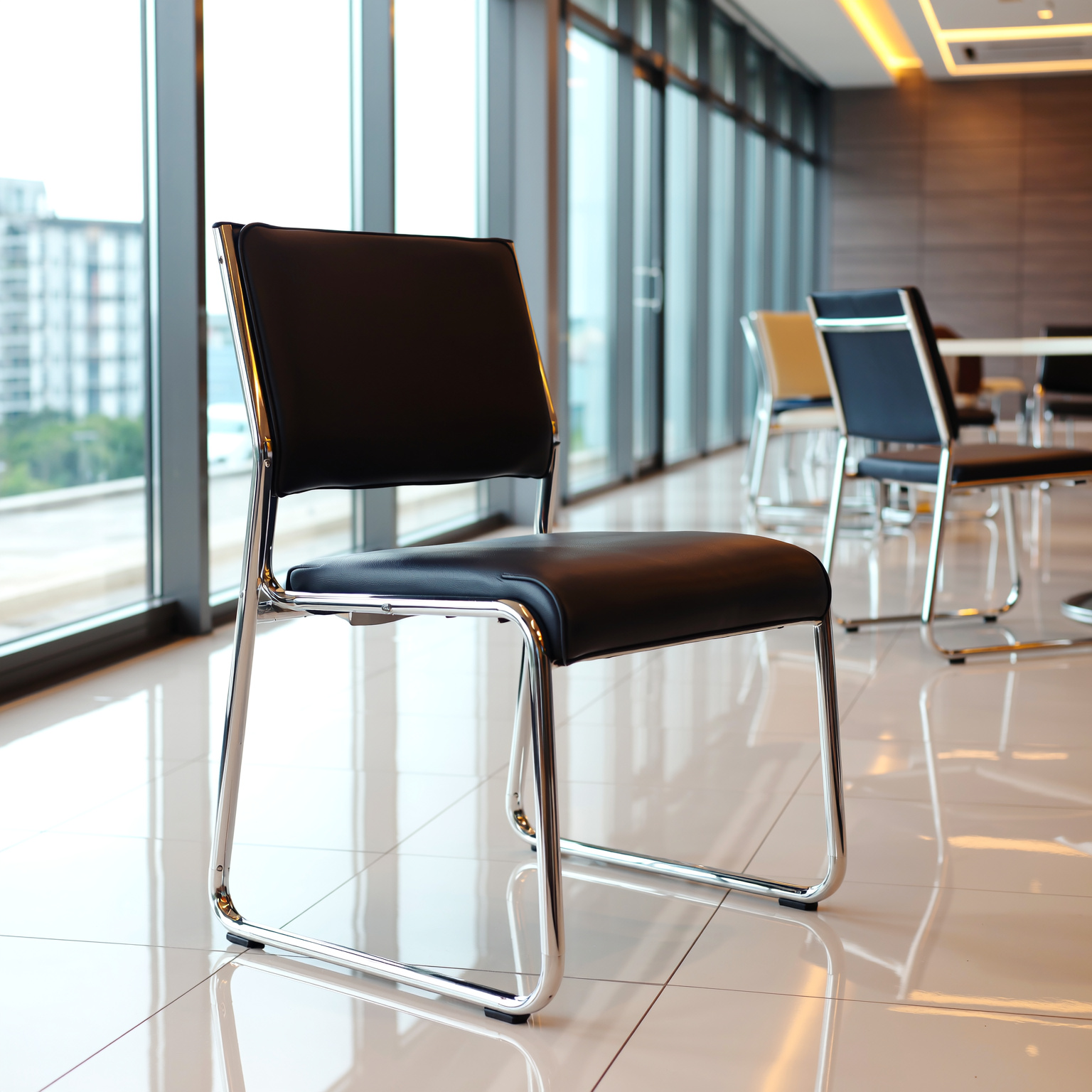
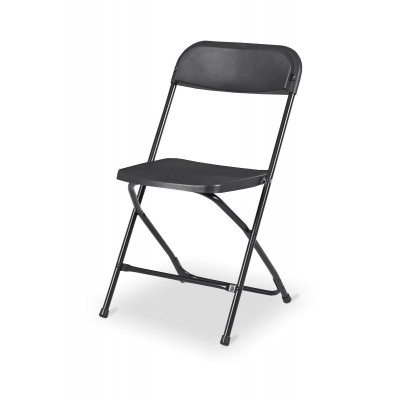
Type 1: Classic steel banquet chair – ★★★★☆
Traditional, durable, and widely used. Ideal for hotels and community centers. + durability, lifespan, price/performance ratio • − higher weight
Type 2: Lightweight aluminum banquet chair – ★★★★☆
Easy handling, elegant appearance, ideal for flexible spaces. + lightness, rust-resistant • − higher purchase cost
Type 3: Designer chair with unique shape – ★★★☆☆
Stylish choice for boutique hotels and events. + aesthetic value • − less universal
Conclusion
Choosing the right banquet chairs is a strategic decision that will affect your operation for years to come. There is no single universally best chair — each choice depends on the type of venue and priorities. Steel models symbolize durability, while aluminum ones emphasize handling efficiency.
Consider not only the purchase price but also total costs over the lifespan, maintenance, and practicality. Investing in quality and certified chairs pays off in the form of satisfied guests and smooth operation.
Want to find the ideal solution for your business? Browse our wide range of banquet chairs or contact us for individual advice.
Related Products
Related Posts
The MICE segment (Meetings, Incentives, Conferences, Exhibitions) represents one of the most stable sources of revenue for hotels and accommodation facilities, especially outside the main tourist season.

In hospitality, there is no second chance to make a first impression. As soon as a guest enters the room, their senses immediately scan the environment.
In the dynamic world of hospitality, there is a concept known as the “moment of truth”.
The hotel bar has long since ceased to be just a place where guests grab a quick drink before going to bed.

The hospitality industry has been undergoing a dynamic transformation in recent years.
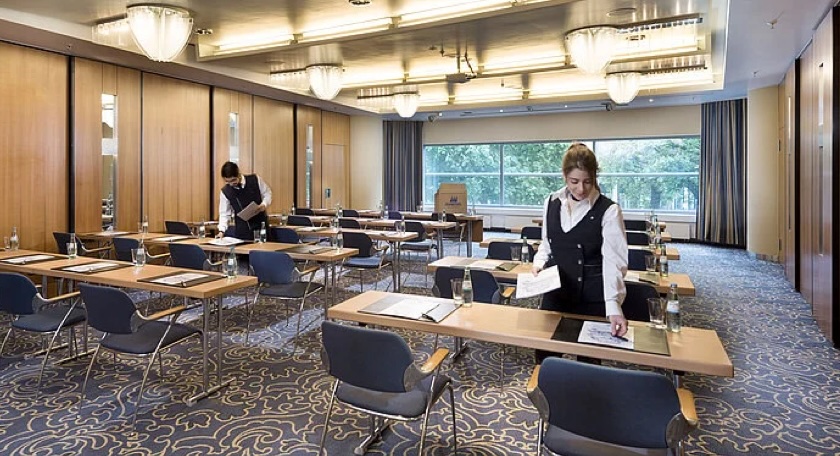
When investing in quality becomes the best saving – discover how the right equipment can reduce operating costs in the long term and increase efficiency in your HoReCa business.
In the dynamic world of hospitality, smart technologies are becoming a key element for enhancing guest comfort and optimizing operational efficiency.
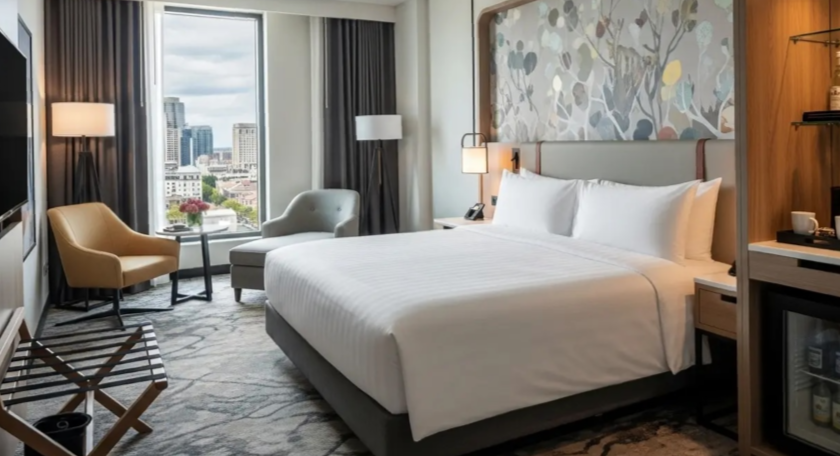
The hotel room is the heart of every accommodation facility. It is the guest’s personal sanctuary, a place to rest after a long day, and a showcase of your attention to detail.