


Frequently asked questions when choosing equipment for conference and meeting rooms

Table of contents

Introduction to the World of Hotel Events
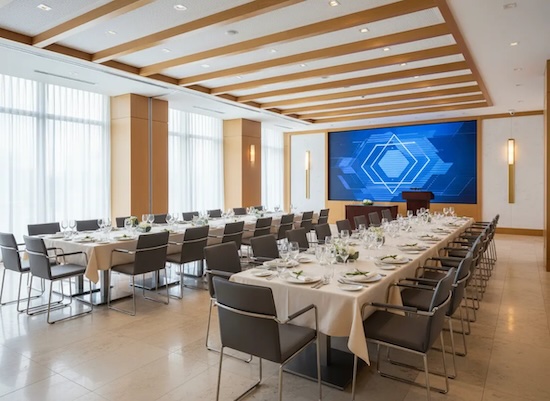
The MICE segment (Meetings, Incentives, Conferences, Exhibitions) represents one of the most stable sources of revenue for hotels and accommodation facilities, especially outside the main tourist season. The quality and functionality of conference space equipment are often the deciding factor in why a corporate client chooses your venue.
It is not only about aesthetics, but above all about flexibility, durability, and the comfort you provide to guests during long meetings.
Properly selected inventory can transform an empty hall into a professional auditorium, an elegant wedding reception, or a creative workshop within just a few dozen minutes. In this article, we focused on the most common questions from hoteliers and managers seeking optimal solutions for their event spaces.
Frequently Asked Questions (FAQ)
What are the most important parameters when choosing conference chairs?
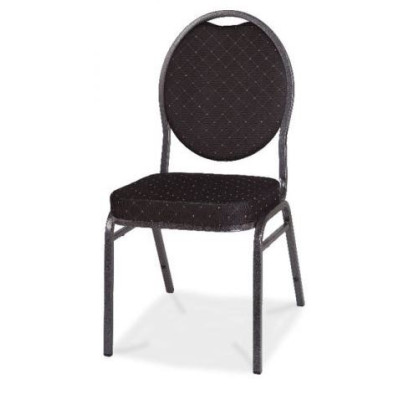
With conference chairs, ergonomics and stackability are key. Guests often spend 6 to 8 hours a day on them, so high-quality upholstery with high-density foam that does not sag is essential. From an operational perspective, look for models that can be stacked (ideally 10–12 pieces on top of each other), which saves storage space. Low frame weight (ideally aluminum or lightweight steel) is also important for easy handling by staff.
How to choose tables that can handle different types of events?
The key is modularity. We recommend choosing tables with a folding leg mechanism. Round tables are ideal for gala dinners and weddings, while rectangular tables with a width of 45–60 cm are perfect for a “classroom” layout, where guests need space for a laptop and notes. The surface finish should be scratch-resistant and easy to clean.
How to ensure efficient catering directly in the hall?
Mobile elements are essential for coffee breaks and light refreshments. Invest in quality serving trolleys and thermoses that keep beverages at the optimal temperature. If the hall does not have direct access to the kitchen, mobile buffet systems are an excellent solution, as they can be easily assembled and cleared away after the event without disrupting the space design.
What should you not forget in terms of connectivity and technology?
In 2026, high-speed Wi-Fi and a sufficient number of power outlets are standard. A frequent question is how to manage cables in the space. We recommend tables with integrated cable grommets or floor boxes. If you are planning a fixed installation, the projector should have a brightness of at least 4000–5000 ANSI lumens so the image remains readable even in a non-darkened room.
How to extend the lifespan of conference furniture?
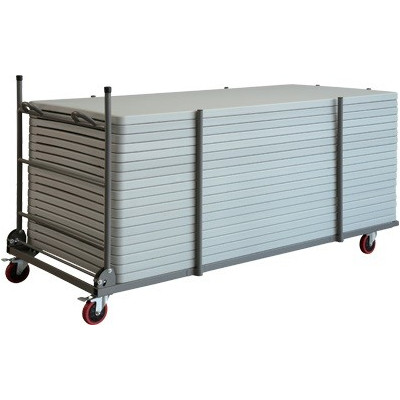
The basis is proper handling. Damage often occurs due to careless moving. Get specialized transport trolleys for chairs and tables, with rubberized wheels that are gentle on the floor. For textile upholstery, choose fabrics with a high Martindale rating (abrasion resistance) and regularly use professional deep cleaning.
What are the trends in modern conference room layouts?
The trend is a “flexible space.” Instead of rigid rows of chairs, lounge zones at the back of the hall—where informal discussions can take place—are increasingly common. High bar tables for quick standing networking breaks are also popular.
Is it necessary to invest in a lectern?
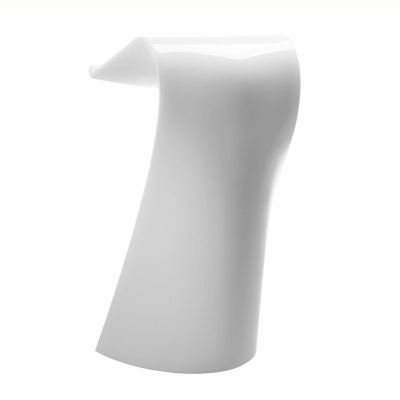
Yes, a lectern adds authority to the presentation and serves as technical support for the speaker (space for a laptop, microphone, a glass of water). Modern lecterns today are often equipped with touch displays to control AV technology in the hall.
Key factors for a successful event
- Acoustics: Large halls with hard floors may suffer from echo. Heavy curtains or acoustic panels can help, and they can also serve as a design element.
- Lighting: Dimming capability and different lighting scenes (work light vs. ambient light for an evening reception) are essential.
- Wayfinding system: Clear hall signage and navigation from the reception save time for both guests and your staff.
Conclusion
Equipment for conferences and events is an investment that will pay off, when chosen correctly, in the form of satisfied corporate clients and repeat bookings.
When purchasing, always ask about the availability of spare parts and the possibility of buying the same models in the future so that your inventory remains consistent even as you gradually expand capacity.
If you are not sure what type of furniture or technology is most suitable for your space, do not hesitate to use professional consulting. A professional supplier will help you calculate the optimal hall capacity and select materials that will withstand demanding commercial operation.
Related Products
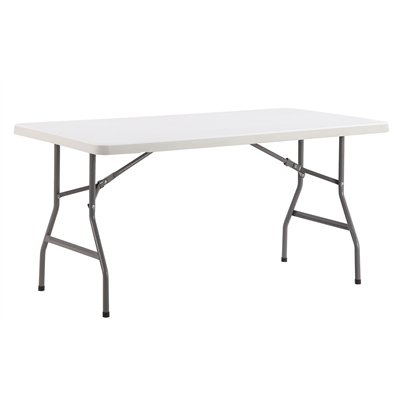
Folding table Hotelum 152 LIGHT, 152 x 75 cm, white
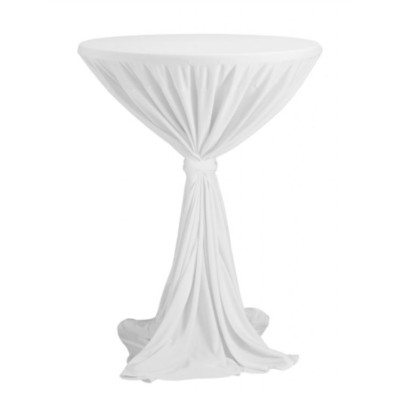
Coctail tablecloth VENICE ∅ 80 - 85 cm with ribbon, white
Related Posts

In hospitality, there is no second chance to make a first impression. As soon as a guest enters the room, their senses immediately scan the environment.
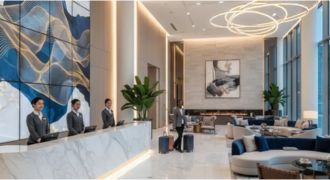
In the dynamic world of hospitality, there is a concept known as the “moment of truth”.
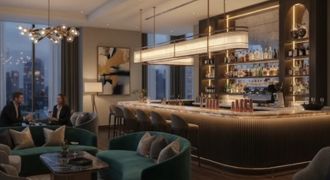
The hotel bar has long since ceased to be just a place where guests grab a quick drink before going to bed.

The hospitality industry has been undergoing a dynamic transformation in recent years.
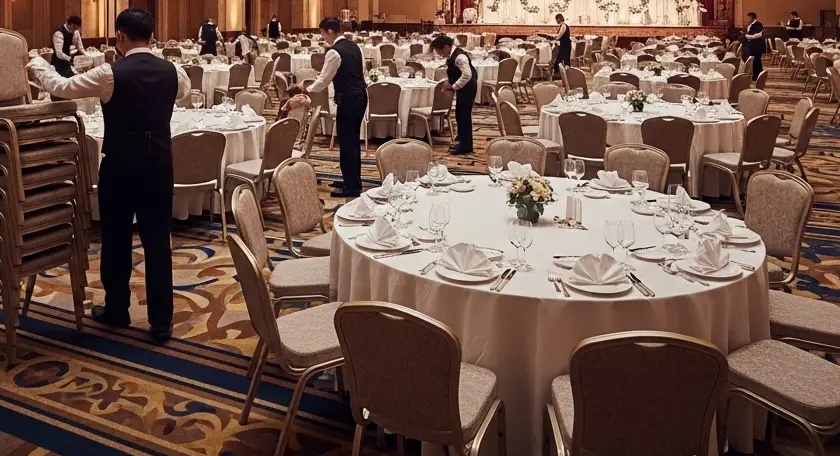
Wedding receptions, corporate conferences, gala dinners — these are the events that define the prestige and capabilities of every hotel or event center.
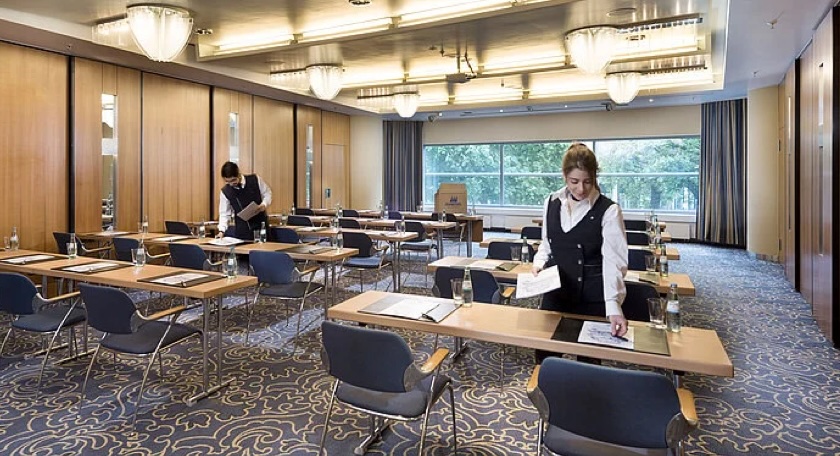
When investing in quality becomes the best saving – discover how the right equipment can reduce operating costs in the long term and increase efficiency in your HoReCa business.
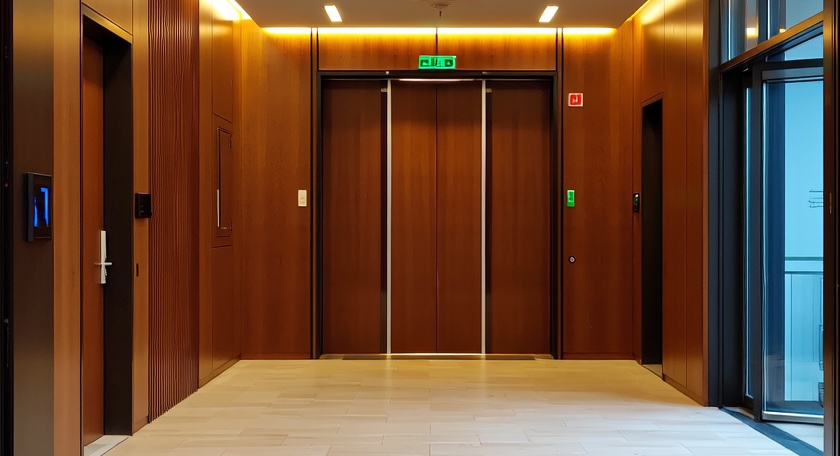
In the dynamic world of hospitality, smart technologies are becoming a key element for enhancing guest comfort and optimizing operational efficiency.
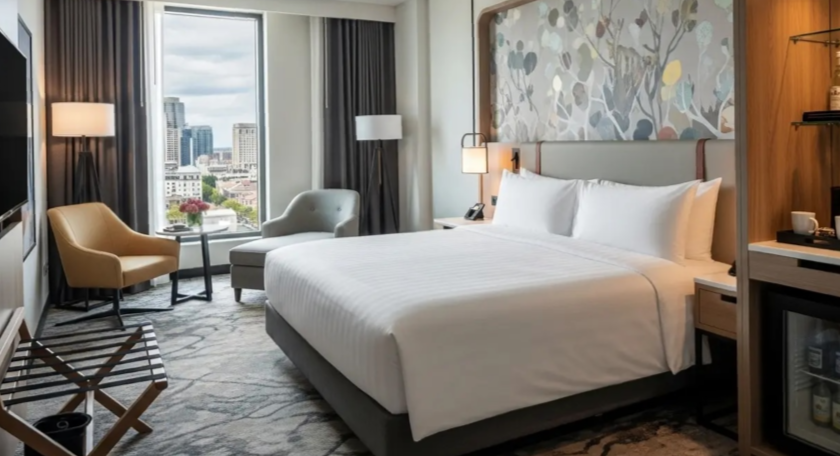
The hotel room is the heart of every accommodation facility. It is the guest’s personal sanctuary, a place to rest after a long day, and a showcase of your attention to detail.